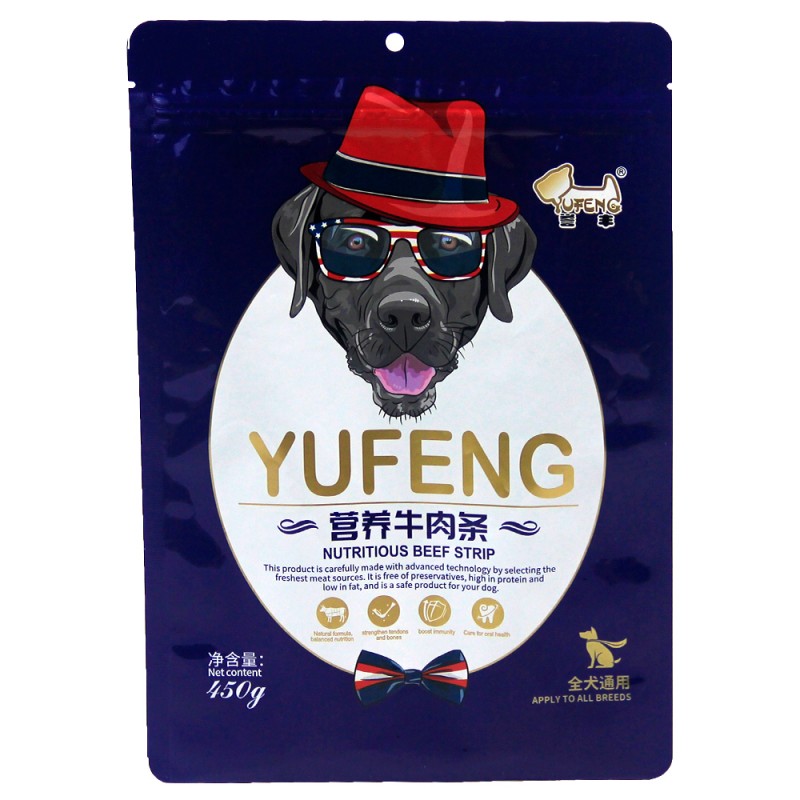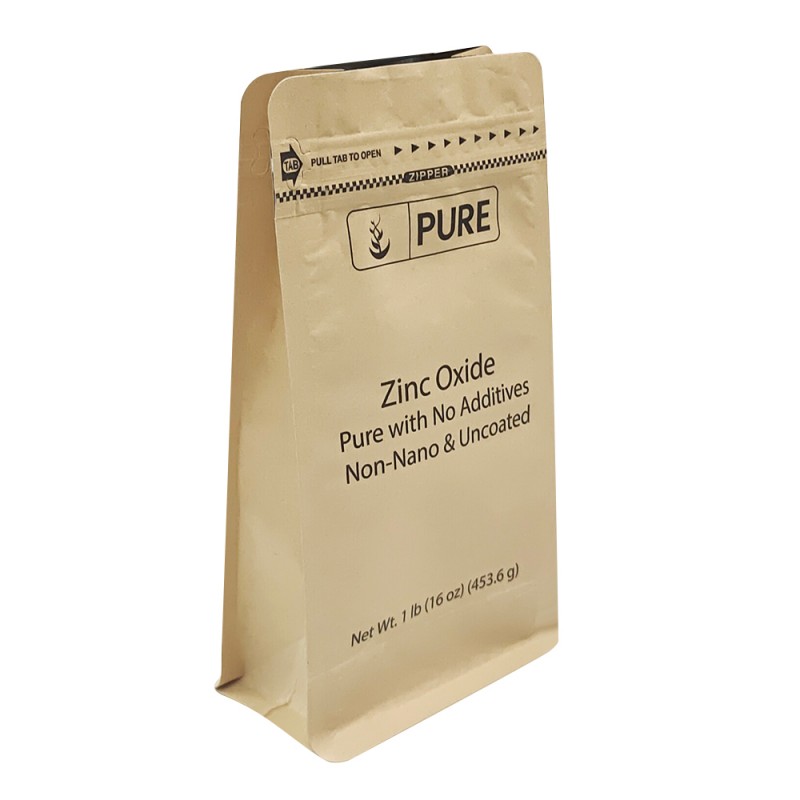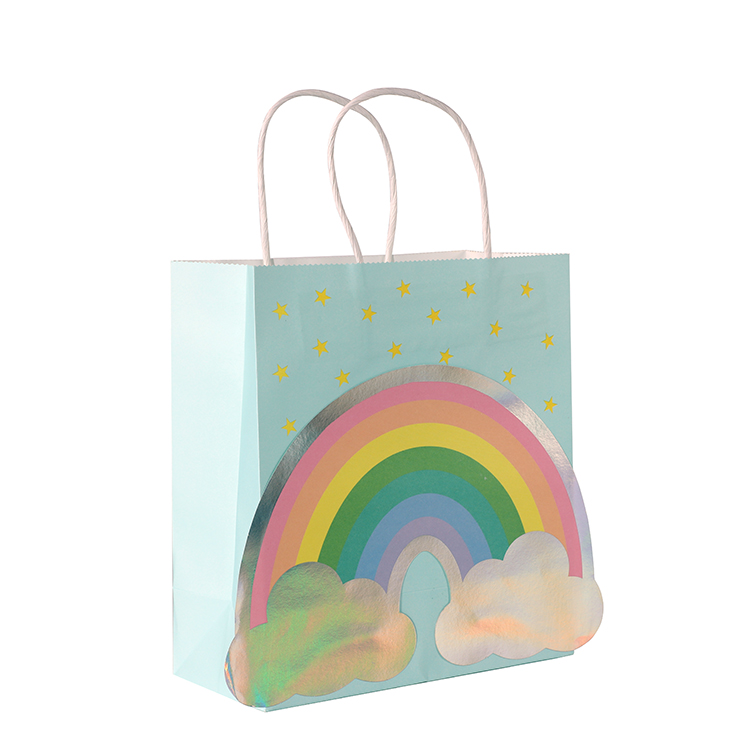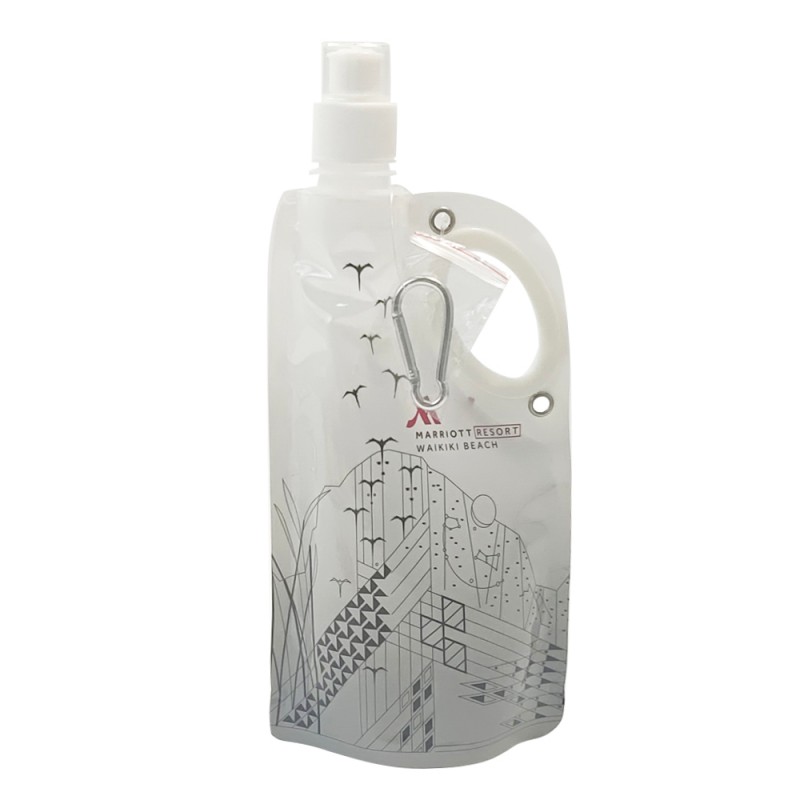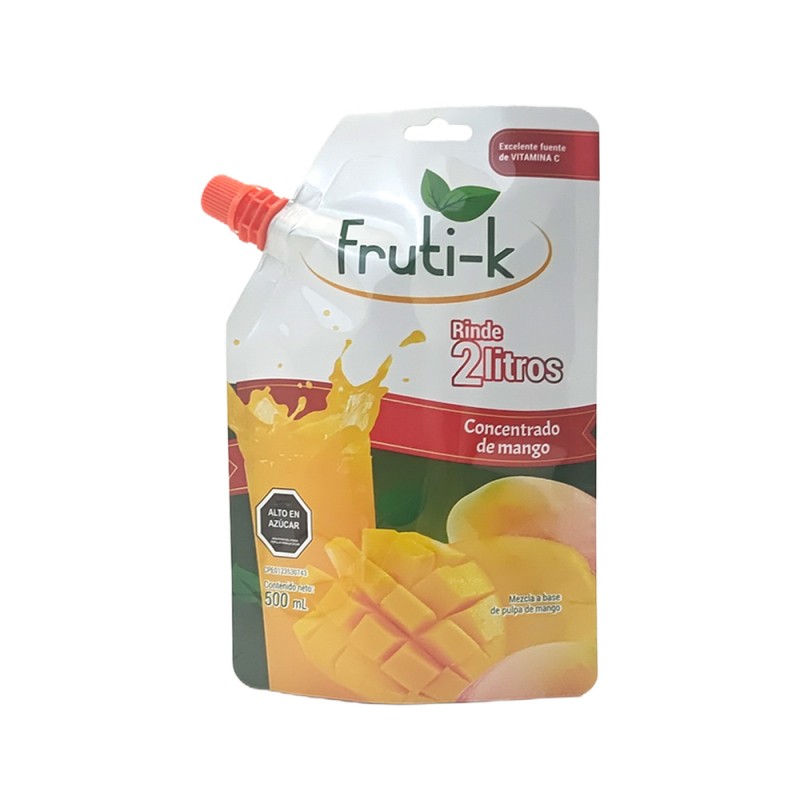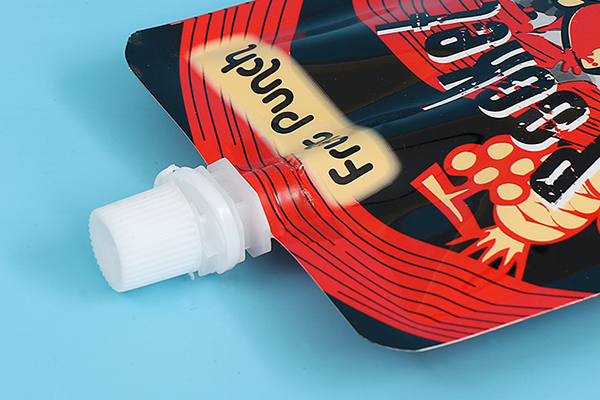
Candy zipper pouches have rapidly become a mainstream packaging format in the confectionery industry due to their balance of protection, convenience, visual appeal, and cost-effectiveness. Designed for both small and large-volume candy brands, these flexible pouches combine barrier protection with modern shelf aesthetics, giving manufacturers a versatile solution for retail, e-commerce, and private-label distribution.
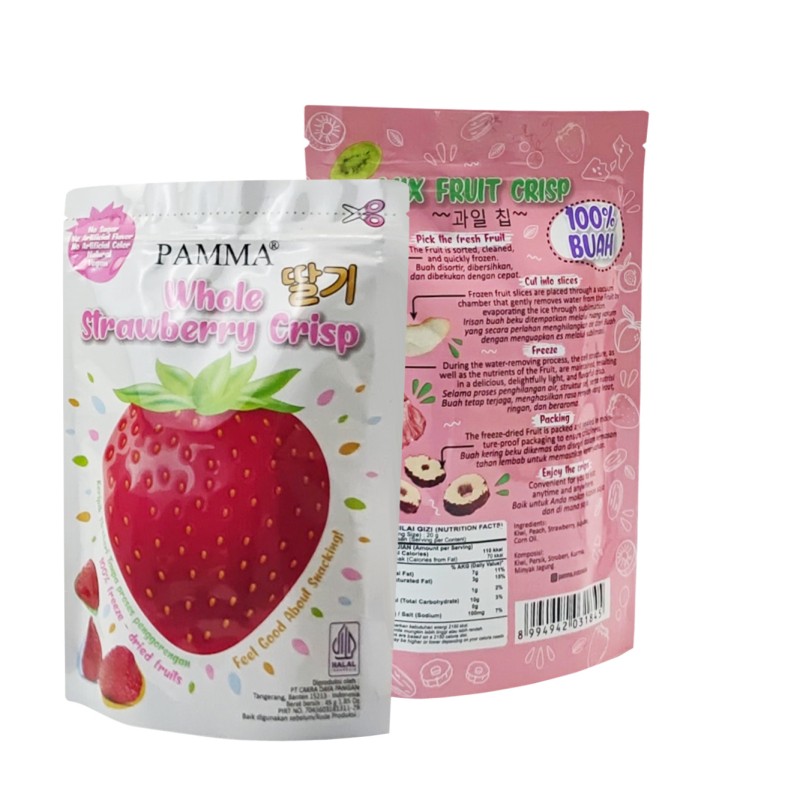
At their core, candy zipper pouches are multi-layer flexible bags equipped with a resealable zipper closure. These pouches serve as a protective shield against moisture, oxygen, odor transfer, and contamination, extending product shelf life while maintaining color, texture, and flavor.
The performance of any confectionery packaging is determined by material composition, barrier levels, mechanical strength, sealing consistency, printing quality, and functional design features such as gussets or tear notches. Below is a concise technical table outlining the parameters typically required for premium candy zipper pouches:
| Parameter | Specification Range / Details |
|---|---|
| Material Structure Options | PET/PE, PET/VMPET/PE, BOPP/CPP, Kraft/PET/PE, Nylon/PE |
| Thickness Range | 80–150 microns depending on durability and product weight |
| Zipper Type | Standard press-to-close zipper, child-resistant zipper, double zipper |
| Barrier Performance | Moisture barrier < 1g/m2/day; Oxygen transmission < 1cc/m2/day |
| Printing Options | Gravure printing (up to 10 colors), matte varnish, glossy finish, transparent window options |
| Bottom Style | Stand-up gusset, flat bottom, side gusset |
| Customization Options | Die-cut windows, aroma valves, hang holes, embossed zippers |
| Food Safety Certifications | FDA-compliant materials, BPA-free, ISO and SGS compliant |
| Sealing Method | Heat sealing at 120–160°C depending on material combination |
| Common Sizes | 3×5 in. (small snacks), 5×8 in. (standard retail), 7×10 in. (bulk candy) |
These specifications help manufacturers achieve consistency while optimizing shelf display, freshness, and branding impact. Understanding how these parameters influence product protection and customer experience is essential for product differentiation in a competitive confectionery market.
Modern shoppers prioritize convenience, portability, and product safety. The rise of on-the-go snacking has made zipper pouches particularly attractive. Resealable closures allow consumers to open and close packaging multiple times without compromising freshness. This ease of use aligns with evolving lifestyle patterns in markets such as the United States, where single-serve and shareable snack formats continue to grow.
Compared to rigid containers, candy zipper pouches are significantly lighter and occupy less storage and transport space. This reduction in material volume lowers freight expenses and decreases carbon footprint, helping brands align with sustainability objectives. Manufacturers can ship more product per pallet, reduce damage rates, and minimize energy consumption during production.
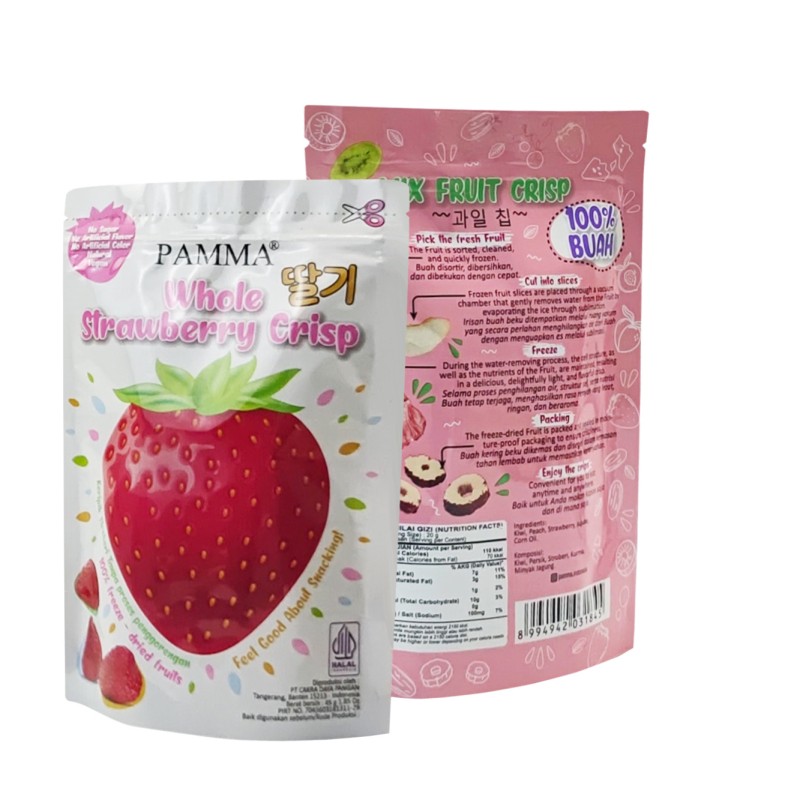
Retailers are focused on eye-level visibility and maximizing shelf space. Candy zipper pouches stand upright, display bold graphics, and offer transparent windows that highlight product quality. These features create stronger visual impact in crowded confectionery aisles and contribute to improved sales performance.
Material combinations such as PET/VMPET/PE deliver strong barrier performance against moisture and oxygen. These properties are critical for candies containing chocolate, gummies, or sugar coatings that deteriorate quickly when exposed to humidity. By maintaining internal conditions, zipper pouches extend freshness, reduce product waste, and support longer distribution cycles.
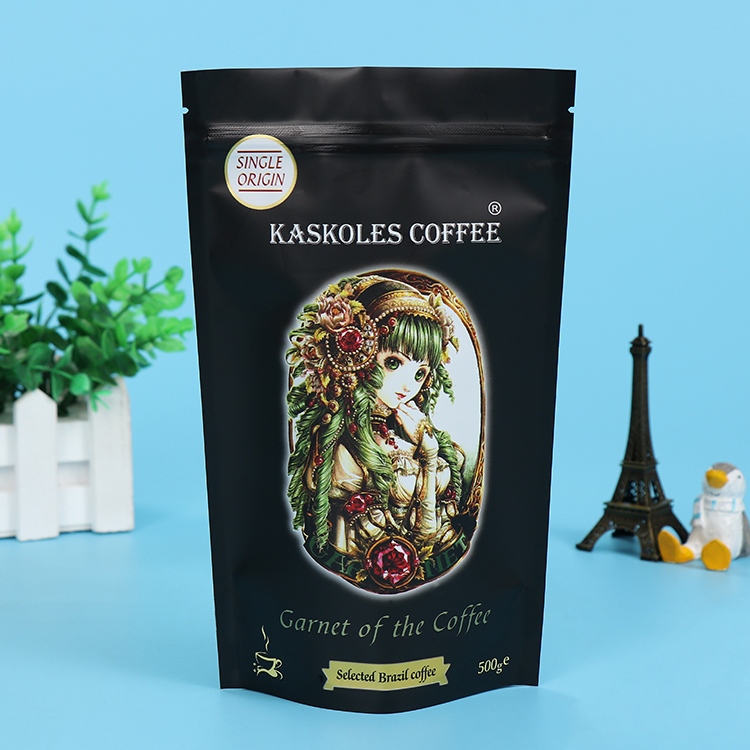
Branding is essential for confectionery products, and packaging often serves as the first interaction between a consumer and a brand. Candy zipper pouches support advanced printing techniques, high-resolution graphics, matte or glossy finishes, and die-cut windows that reflect brand identity. These visual enhancements allow small and large candy companies alike to compete for attention in retail environments.
The combination of stand-up structure, lightweight form, and resealable closure makes candy zipper pouches ideal for families, children, and commuters. Special features such as child-resistant zippers or tear-notch openings add extra safety and convenience, reinforcing trust in the brand and increasing consumer satisfaction.
Sustainability is shifting from optional to essential. More manufacturers are transitioning to recyclable PE/PE mono-material pouches or compostable films. These innovations reduce environmental impact and support compliance with evolving regulations. Interest in low-ink printing, biodegradable coatings, and solvent-free lamination also continues to rise, aligning candy packaging with global eco-friendly standards.
The expansion of online shopping is increasing demand for packaging that is lightweight, durable during transit, and optimized for shipping. Zipper pouches perform well in these conditions due to their flexibility and protective attributes. Future advancements are expected to include QR-driven storytelling, batch-level traceability, and interactive branding experiences designed to improve consumer engagement.
1. What is the best material structure for packaging gummy candies?
A PET/VMPET/PE tri-layer structure is often preferred because it provides excellent moisture and oxygen barrier performance while maintaining durability and print clarity. Gummy candies are especially sensitive to humidity, so this structure helps maintain texture and prevent stickiness during storage and distribution.
2. How can a brand determine the correct pouch thickness for its product?
The ideal pouch thickness depends on the candy’s weight, fragility, and distribution environment. Light candies such as mints require thinner films (80–100 microns), while bulk or heavy candies benefit from thicker structures (120–150 microns). Choosing the proper thickness helps prevent puncture damage, ensures high-quality sealing, and provides adequate support for stand-up display.
Candy zipper pouches represent a strategic choice for confectionery brands seeking enhanced freshness, stronger branding opportunities, and improved logistics efficiency. With evolving consumer expectations and growing emphasis on sustainability, these pouches offer a flexible and future-focused solution adaptable to large retail operations, artisanal candy makers, and private-label programs.
A reliable manufacturing partner ensures the right balance between barrier performance, visual design, cost control, and compliance with global food-safety standards. Huadong specializes in delivering customized candy zipper pouch solutions tailored to diverse product requirements and market trends. For brands seeking professional guidance, optimized materials, and reliable production capacity, contact us to explore how tailored packaging can elevate product value and brand impact.