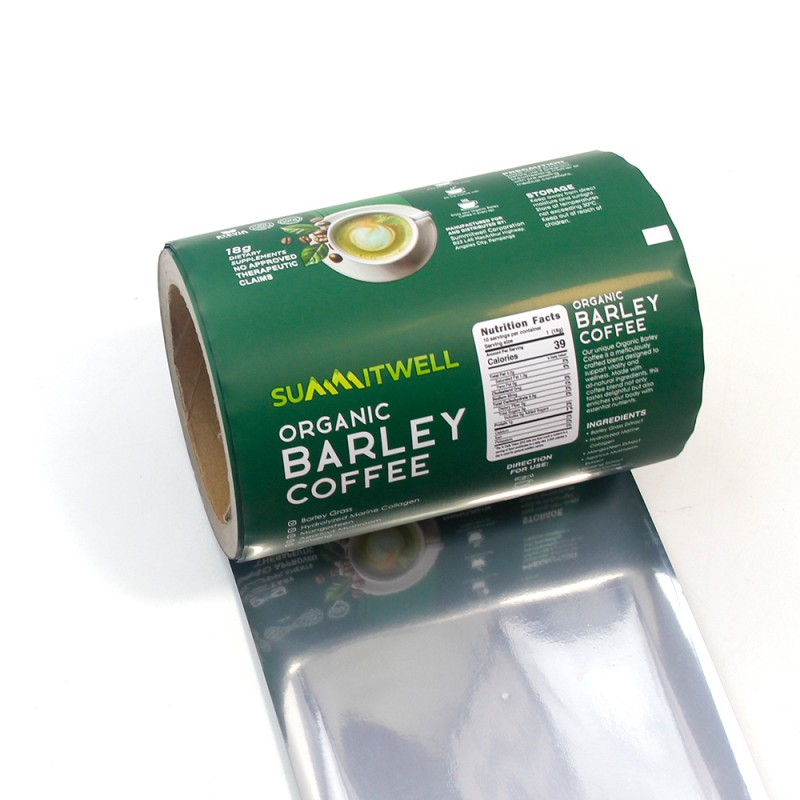
What Are Food Package Bags and How Do They Support Modern Food Protection?
Why Do Food Brands Rely on Food Package Bags for Quality, Safety, and Extended Shelf Life?
How Are Beverage Spout Pouches and Food Stand Up Pouches Changing Packaging Efficiency?
What Are the Future Trends of Food Package Bags and How Should Businesses Choose the Right Solution?
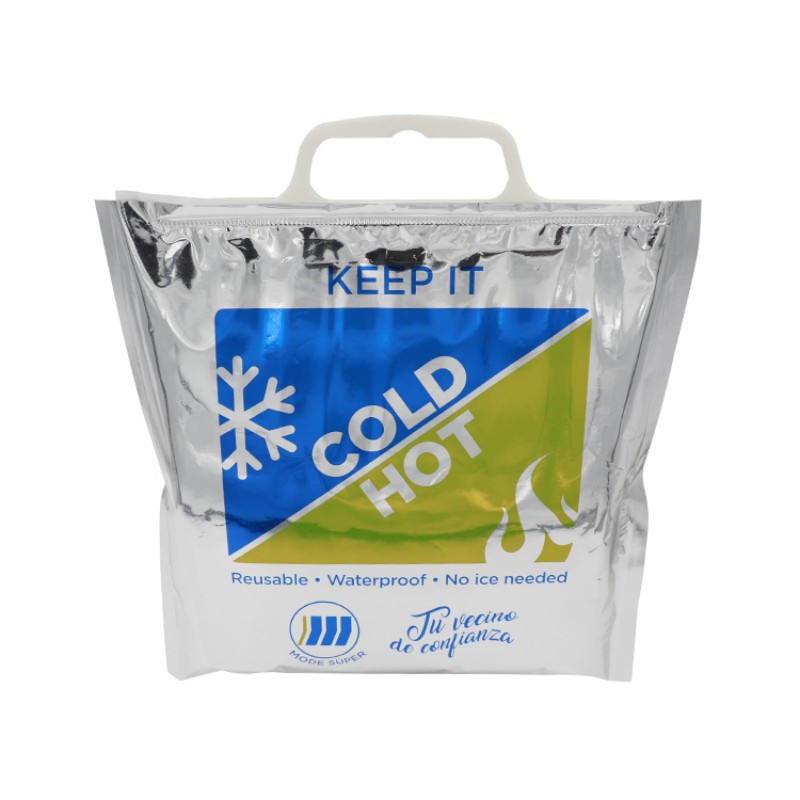
Food safety, freshness, and visual appeal significantly influence a consumer’s purchasing decision. This is why the question “What makes a Food Package Bag dependable?” has become highly relevant for food manufacturers, distributors, and retail businesses. Food Package Bags are engineered packaging solutions designed to secure, preserve, and present food in a way that aligns with both regulatory expectations and consumer demands. Their role goes far beyond simply containing food—they manage moisture, oxygen, aroma, visibility, and hygiene in every stage of the distribution chain.
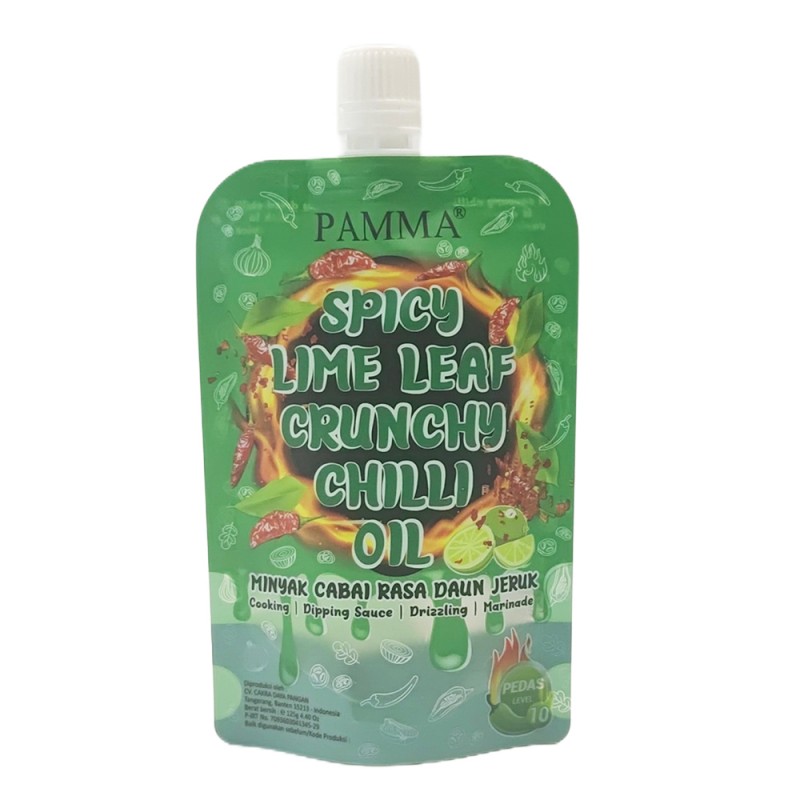
To evaluate the performance of Food Package Bags, three core attributes must be assessed:
Barrier Performance – How well does the bag block oxygen, moisture, and UV exposure?
Durability and Seal Strength – Why is resistance to leaks, punctures, and compression essential?
Material Safety and Compliance – What materials align with FDA, EU, or global food-contact regulations?
Understanding these factors helps businesses select packaging that protects the food from contamination, maintains taste and texture, and enhances shelf appeal.
Below is a reference parameter table that reflects industry-standard specifications for professional-grade food packaging bags:
| Parameter | Technical Description |
|---|---|
| Material Options | PET/PE, PET/AL/PE, PET/NY/PE, Kraft Laminates, CPP, VMPET |
| Thickness Range | 60–200 microns (customizable depending on product needs) |
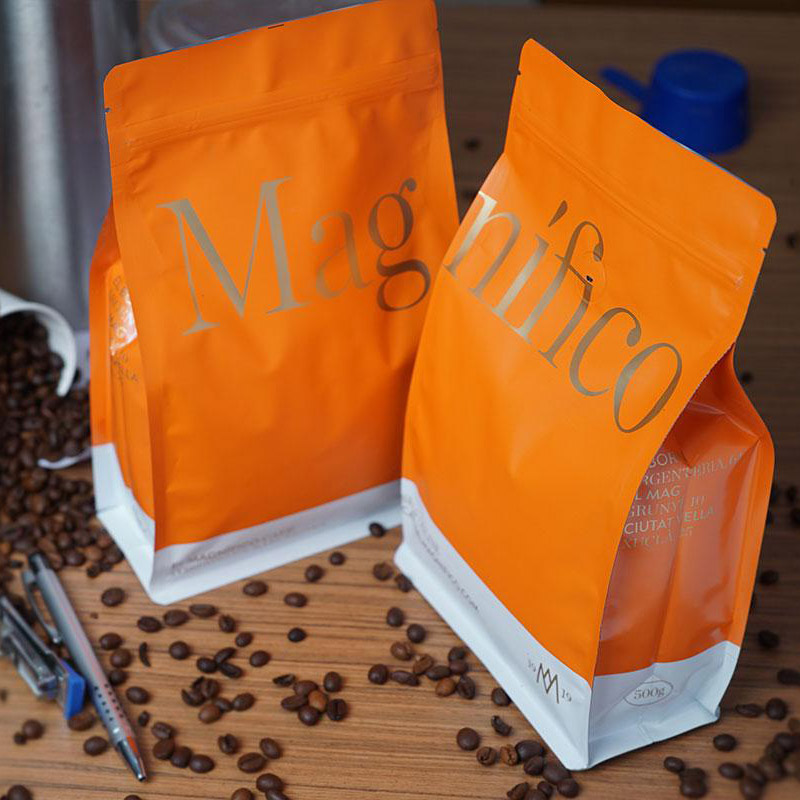
| Bag Types Available | Stand Up Pouch, Flat Bottom Bag, Spout Pouch, Three-Side Seal Bag |
| Barrier Properties | Moisture-proof, oxygen-resistant, aroma-preserving, UV-shielding |
| Printing Method | Rotogravure (up to 10 colors), matte/glossy finishing |
| Closure Options | Zipper, spout, tear notch, valve, heat-seal |
| Food Safety Certification | BPA-free, food-grade material, compliant with FDA / EU standards |
Food Package Bags are designed through a “purpose-specific” approach. This means the bag’s structure is matched to the food item’s properties—oily snacks, frozen foods, sauces, beverages, powders, and bakery items all require different barrier levels. For instance:
Snacks and nuts demand high oxygen barriers to prevent the food from turning stale.
Liquid foods require secure sealing and leak-proof construction.
Frozen foods need materials that resist brittleness at low temperatures.
Dry powders rely on anti-moisture functionality.
This targeted matching ensures food maintains its ideal condition from production to consumption.
Food Package Bags address several industry challenges:
Contamination prevention during transportation
Extended shelf life through scientific barrier layering
Brand visibility using high-quality printing surfaces
Cost control by reducing packaging weight and waste
Convenience for both consumers and retailers
The packaging is the product’s exterior identity. Before buyers experience the food, they judge its packaging. This creates a direct relationship between packaging quality and perceived product value. A Food Package Bag only becomes effective when it answers key operational questions:
Why does the packaging attract instant attention on shelves?
Because of clear printing, matte effects, metallic finishes, and attractive layout possibilities.
Why does the packaging maintain product taste?
Because the laminated layers limit oxygen and moisture infiltration.
Why does the packaging ensure odor and flavor stability?
Because barrier films prevent aroma loss and cross-contamination.
When chosen correctly, Food Package Bags streamline operations:
Lower transportation costs due to lightweight structure
Better storage efficiency because bags occupy less space than rigid packaging
Higher production efficiency due to compatibility with automated filling lines
Quick sealing and resealability improve consumer convenience
Food Package Bags offer three functional categories:
Prevent oxidation
Reduce moisture exposure
Shield from light
Maintain original flavor
High tensile and puncture resistance
Leak-free seal designs
Excellent temperature stability
Easy-tear openings
Reusable zippers
Portable lightweight designs
Transparent windows for product visibility
Below is a parameter breakdown focusing on technical performance:
| Function Category | Technical Feature |
|---|---|
| Moisture Barrier | WVTR < 1.0 g/m²/24h |
| Oxygen Barrier | OTR < 1.0 cc/m²/24h |
| Seal Strength | 30–60 N/15mm depending on lamination |
| Temperature Tolerance | −20°C to +85°C depending on material type |
| Printing Durability | Surface resistant to scratching and rubbing |
These measurable parameters allow food companies to select packaging based on performance rather than assumption.
In food packaging, innovation continues to shift toward flexible formats. Among these, Beverage Spout Pouches and Food Stand Up Pouches are two of the most adopted solutions. Both formats answer critical market questions involving convenience, cost, hygiene, and branding.
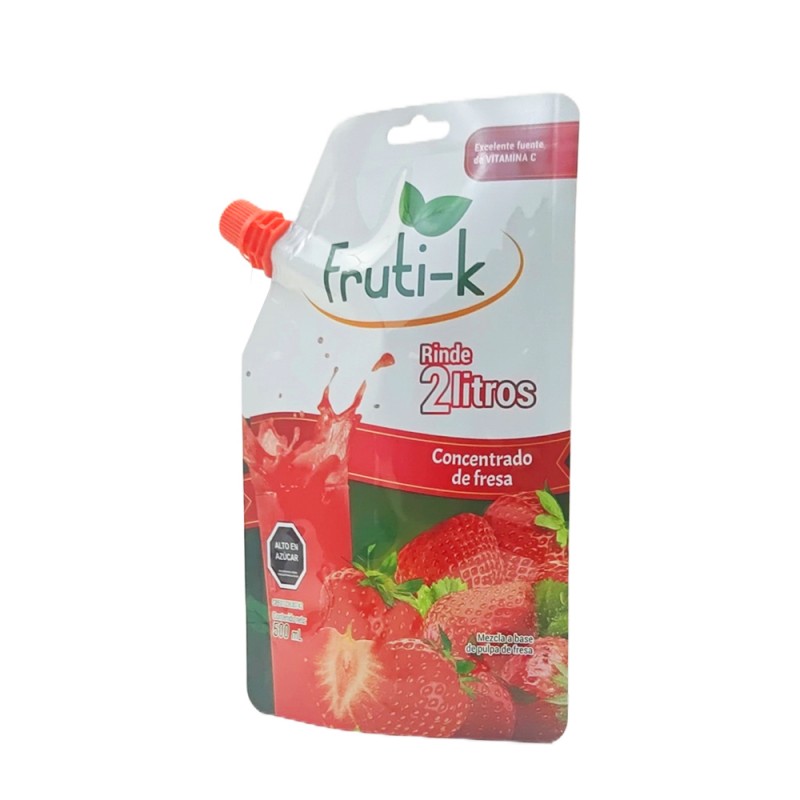
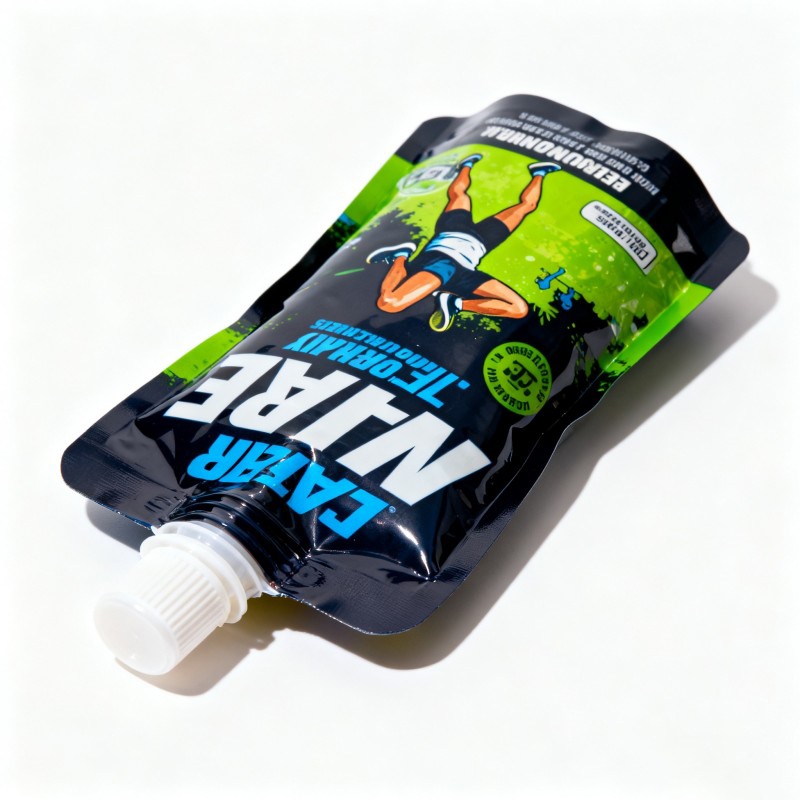
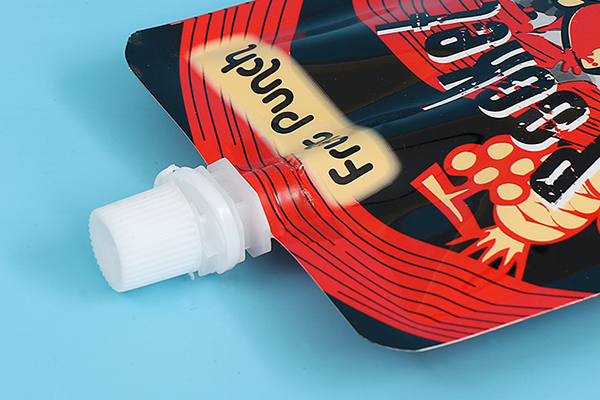
A Beverage Spout Pouch is specially engineered for liquid or semi-liquid foods. It combines the benefit of a bottle and a flexible pouch.
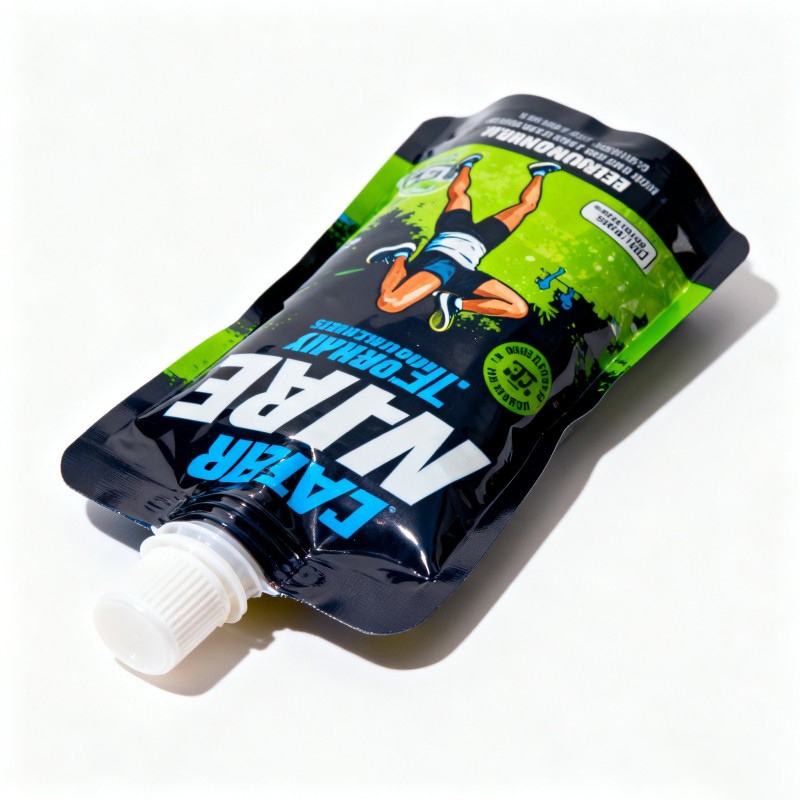
Reduced packaging weight compared to bottles
Lower cost of production and transport
Convenient pouring and re-closing
Space-saving design
High print quality for branding
| Specification Category | Parameter Details |
|---|---|
| Materials | PET/NY/PE, PET/AL/NY/PE, or custom multilayer |
| Capacity | 100 ml – 5 L |
| Spout Sizes | 8 mm, 10 mm, 12 mm, 16 mm |
| Seal Strength | High-pressure leak resistance |
| Customization | Shape cutting, corner spouts, center spouts |
Prevent leakage through reinforced heat sealing
Maintain freshness via multi-layer barriers
Withstand pressure during transport
Provide hygiene by minimizing contamination exposure
This makes the pouches suitable for beverages, sauces, baby food, edible oils, and sports nutrition products.
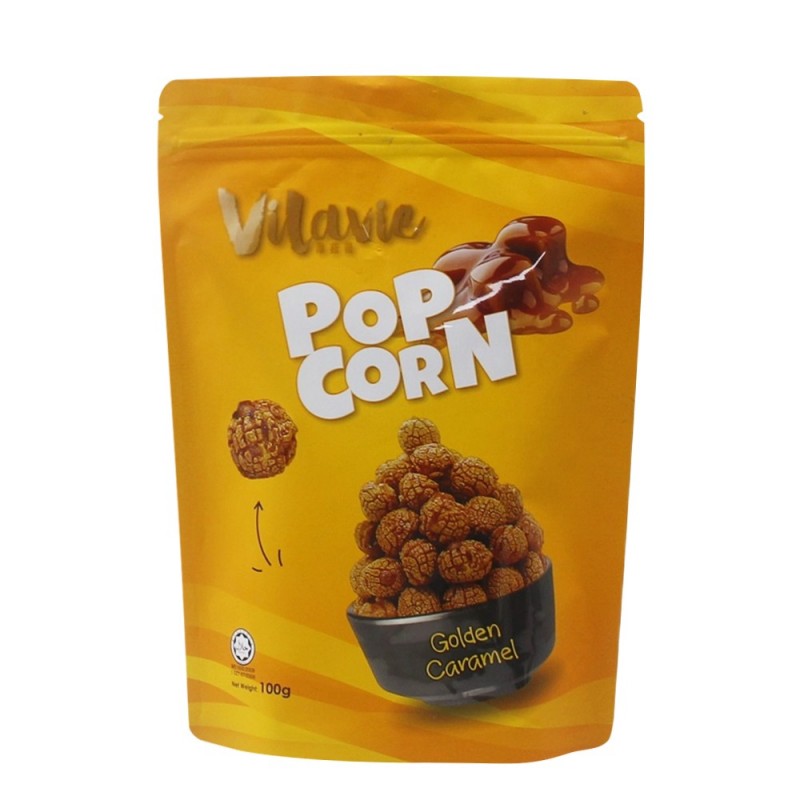
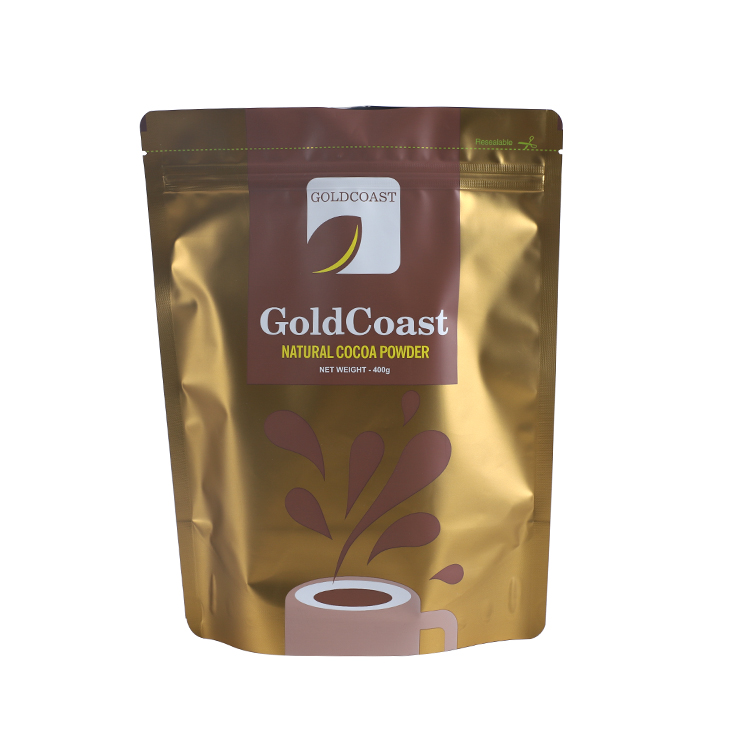
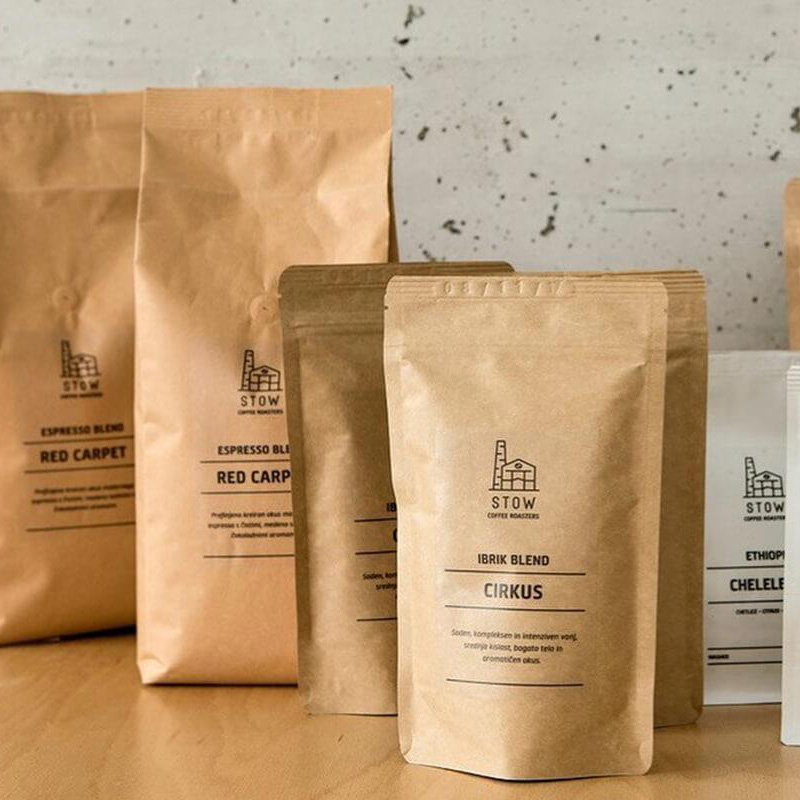
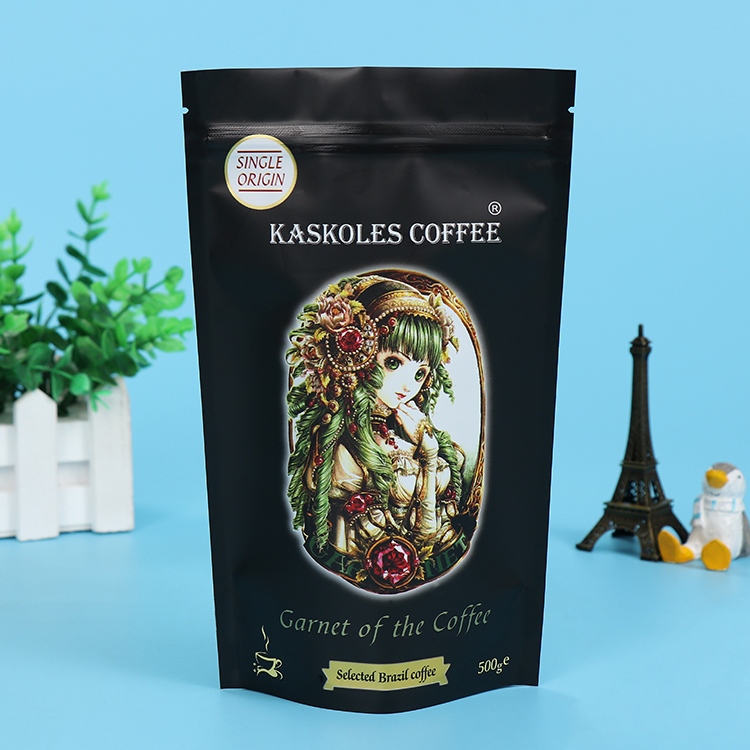
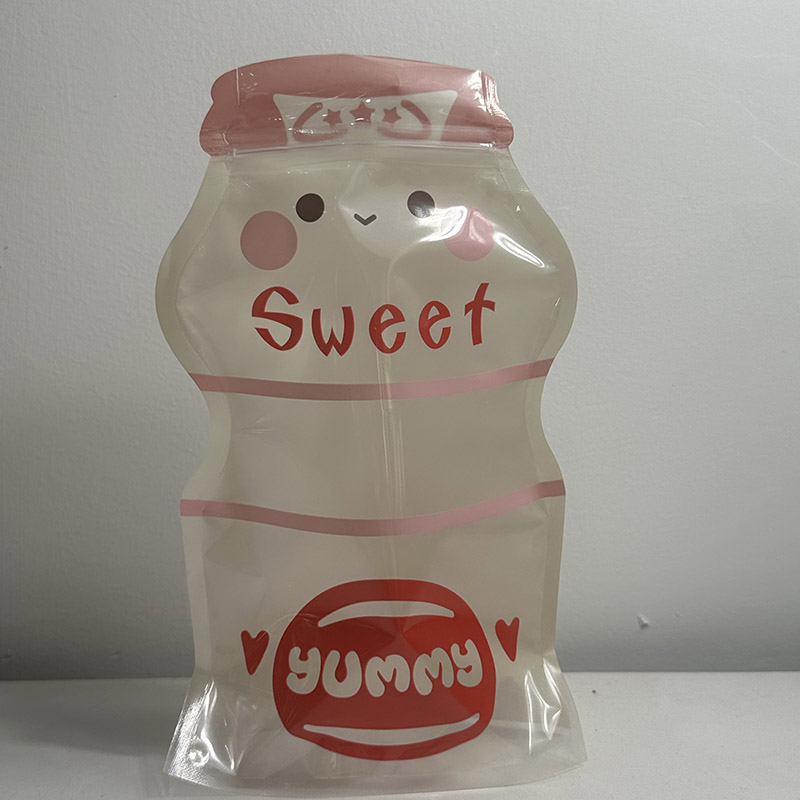
The Stand Up Pouch is designed to stand upright on shelves, improving visibility and branding.
Enhanced display presence
Space-efficient shelving
Supports transparent windows
Compatible with zippers and valves
Strong bottom gusset for stability
| Parameter Group | Details |
|---|---|
| Materials | PET/PE, Kraft/PET/PE, PET/VMPET/PE |
| Thickness Range | 80–150 microns |
| Closure Options | Zipper, valve, tear notch |
| Bottom Style | Doypack, K-seal, round bottom |
| Printing Capability | Matte, glossy, spot varnish |
Stand Up Pouches can package:
Snacks, nuts, dried fruits
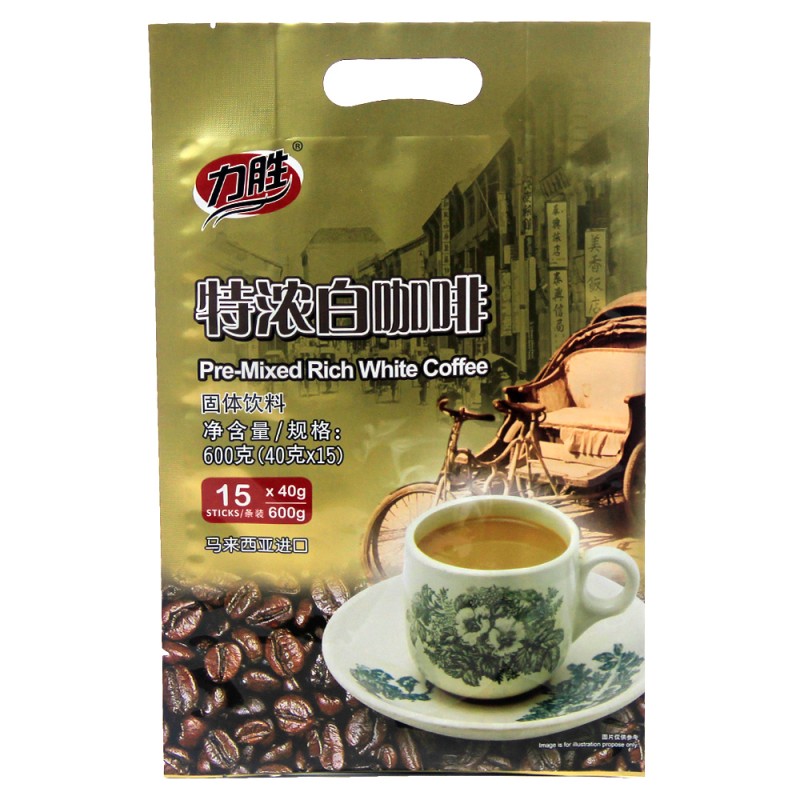
Coffee and tea
Pet treats
Powder mixes
Cereals and grains
Frozen or refrigerated foods
They provide both functional performance and superior shelf presence, making them an essential solution for brand marketing and food preservation.
Future packaging trends reflect environmental responsibility, functional improvements, and smarter consumer engagement. Key directions include:
Bio-based films and recyclable mono-materials are expected to rise sharply.
Water-based, solvent-free, and low-migration inks are demanded by exporters and retailers.
Reducing material thickness without compromising strength helps control cost and waste.
High-barrier EVOH, coated PET, and metallized structures are becoming widely used.
QR authentication, freshness indicators, and traceable codes offer improved consumer interaction.
Businesses should evaluate:
Product type – liquid, dry, frozen, oily, acidic
Shelf life requirements – short-term or extended storage
Distribution conditions – heat, humidity, compression
Branding needs – colors, matte finishes, windows
Regulatory compliance – food-grade standards
Environmental strategy – recyclability, biodegradability
Professional consultation ensures packaging aligns with production, marketing, and retail strategies.
Q1: What materials are best for Food Package Bags intended for long shelf life?
A1: Laminates such as PET/AL/PE or PET/NY/PE provide strong oxygen and moisture barriers, making them suitable for products requiring extended freshness, including snacks, nuts, powders, and dehydrated foods.
Q2: Why do Food Package Bags use multi-layer structures?
A2: Each layer performs a specialized function—PET for print quality, aluminum or metallized film for barrier protection, and PE for sealing strength—creating a balanced structure that protects the food from environmental exposure.
Q3: How should businesses select the correct pouch size?
A3: Size selection depends on the product’s density, intended shelf presence, filling method, and transportation efficiency. Precise measurement ensures the pouch fits filling machinery and maintains the product’s visual appeal.
Food Package Bags play a crucial role in the global food supply chain, bringing together safety, barrier technology, branding, and consumer convenience. Whether selecting Beverage Spout Pouches for liquid foods or Food Stand Up Pouches for dry goods, the right packaging solution significantly enhances product protection, operational efficiency, and market competitiveness. As packaging technologies continue to advance, businesses will benefit from choosing high-performance, customizable, and safe packaging designed to meet modern demands.
For long-term stability and premium quality, many brands rely on trusted manufacturers such as Huadong, known for reliable materials and professional packaging solutions. If you would like customized Food Package Bags or expert recommendations tailored to your products, please contact us for assistance.