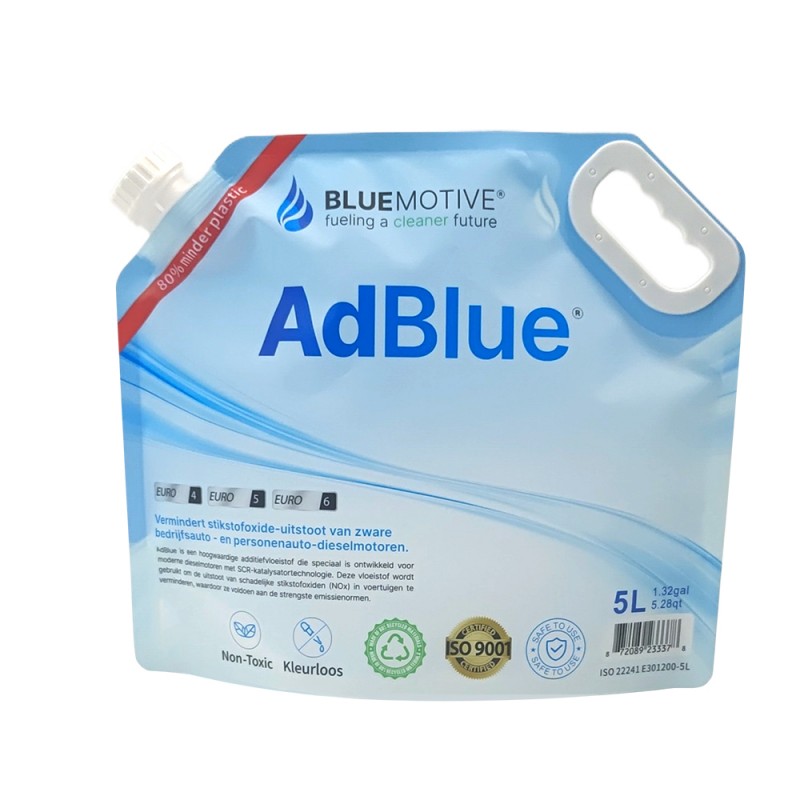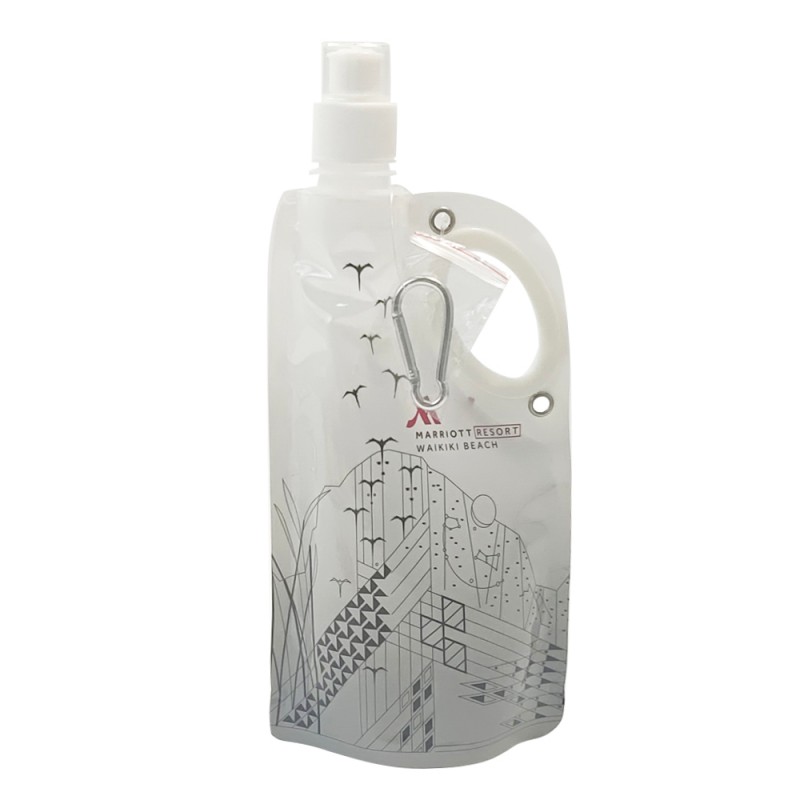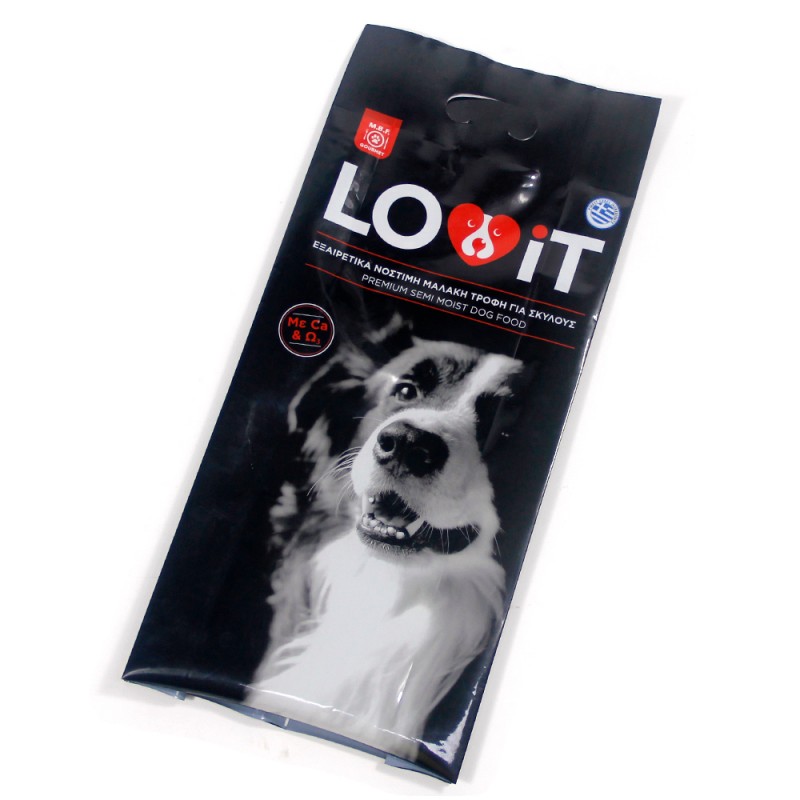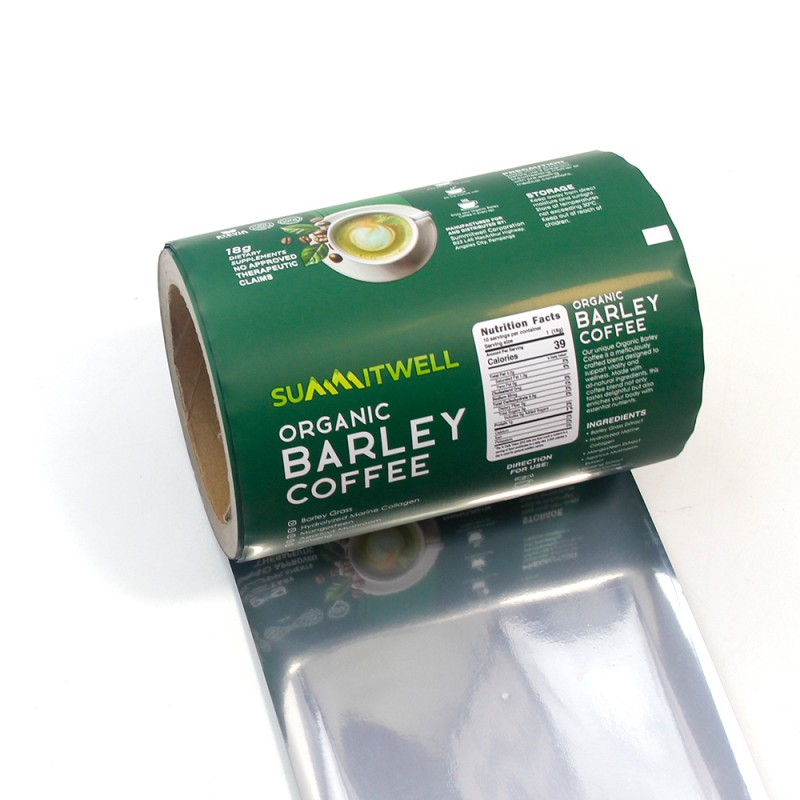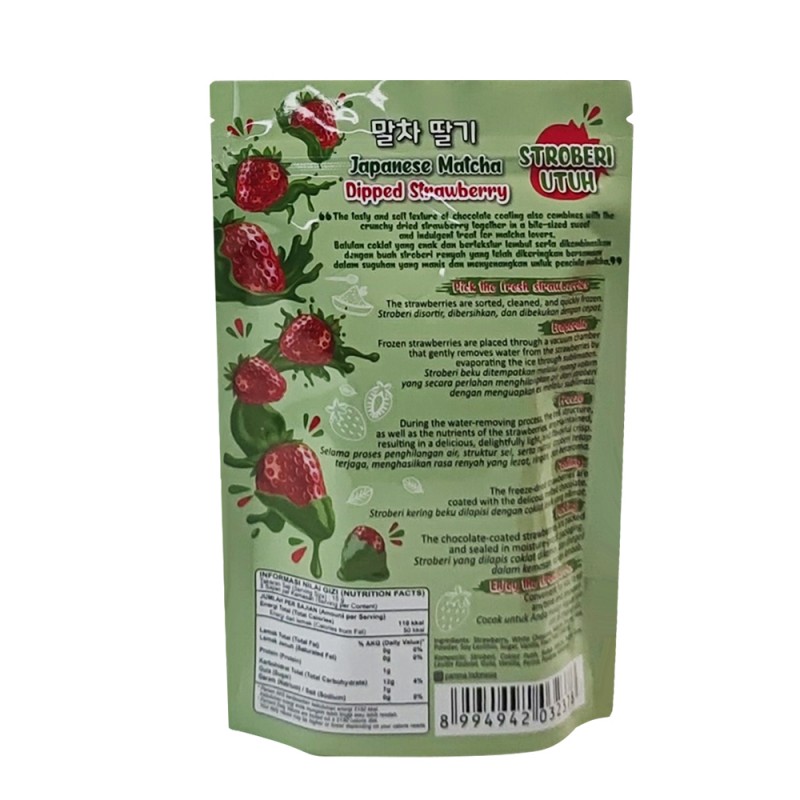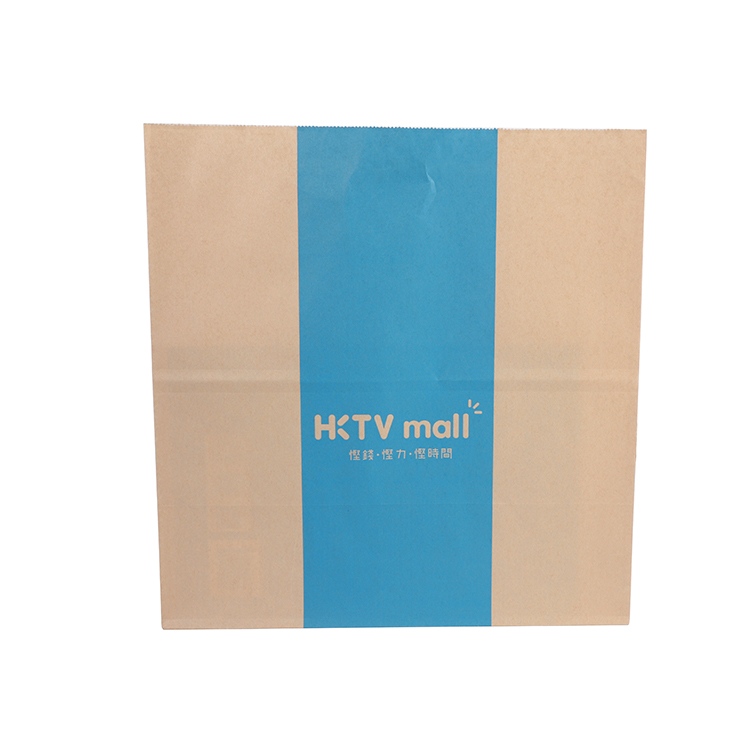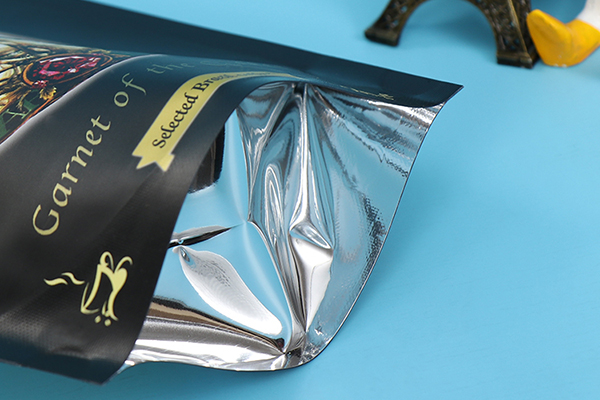
Roll film for flexible packaging has become one of the most influential materials in global packaging, offering manufacturers an adaptable, cost-efficient, and protective solution for products across food, pharmaceuticals, cosmetics, household goods, and industrial sectors. As supply chains demand higher speed, reduced waste, and stronger shelf appeal, roll film provides a highly customizable packaging format that can accommodate diverse product shapes, barrier needs, printing requirements, and sustainability targets.
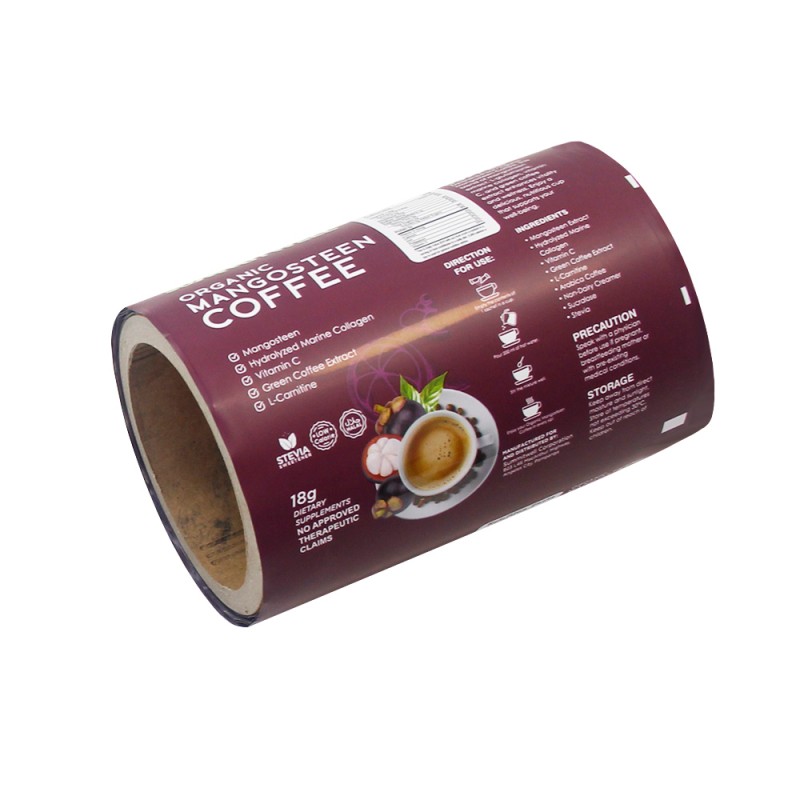
Below is a clear, professional overview of typical product parameters associated with high-performance roll film used in flexible packaging:
| Parameter Category | Typical Specifications | Description |
|---|---|---|
| Material Composition | PET, BOPP, CPP, PE, NY, Al-foil, Metallized films | Multi-layer structures engineered for barrier, strength, and sealing needs |
| Thickness Range | 12μm – 200μm | Customizable for light, medium, and heavy-duty applications |
| Barrier Properties | High oxygen, moisture, aroma, UV resistance | Advanced coatings or metalized layers improve product shelf life |
| Printing Compatibility | Rotogravure, flexo, digital | Supports high-clarity branding with 8–12 color print systems |
| Sealing Options | Heat-seal, cold-seal, easy-peel | Designed for fast production and product-specific sealing |
| Mechanical Strength | High tensile strength, puncture resistance, excellent toughness | Suitable for high-speed form-fill-seal equipment |
| Application Formats | Snacks, liquids, frozen foods, medical supplies, powders, pet food | Adaptable to vertical/horizontal packaging lines |
| Sustainability Options | Recyclable PE/PP mono-materials, bio-based films | Supports global environmental compliance |
These parameters position roll film as an essential material for brands focusing on durability, product preservation, and visual impact.
Roll film delivers a combination of flexibility, strength, and design versatility that traditional rigid packaging cannot match. When evaluating its performance benefits, manufacturers often consider how it affects production speed, product protection, and brand visibility.
Roll film is optimized for high-speed packaging lines, significantly reducing downtime and material waste. Its consistent thickness, smooth surface, and precise roll tension reduce mechanical errors and improve machine throughput. The efficiency benefits include:
Faster form-fill-seal processing
Lower transportation cost due to lightweight materials
Reduced warehouse space for inventory
Higher packaging output with fewer stoppages
Roll film increases packaging consistency, ensuring that every batch meets quality standards without requiring extensive recalibration.
Product integrity remains a top priority in food and pharmaceutical packaging. Roll film offers superior barrier properties through structured layers engineered to safeguard contents from environmental factors.
Key protective advantages include:
Oxygen and moisture barriers to maintain freshness
UV protection to prevent sensitive product degradation
Puncture resistance for sharp or heavy products
Aroma and flavor retention
These properties keep products stable during transport and display, extending shelf life and reducing product loss.
Printability is one of the strongest reasons businesses choose roll film. Multi-layer films support premium-quality printing with rich colors, smooth gradients, and high-definition graphics. Advantages include:
Improved shelf appeal with glossy, matte, or soft-touch finishes
Better ink adhesion and long-term color retention
Compatibility with QR codes, anti-counterfeiting elements, and transparent windows
Roll film allows brands to create visually compelling packaging that enhances consumer engagement and increases perceived value.
As global packaging regulations evolve and brands seek more efficient solutions, roll film continues to develop in four key trend areas: sustainability, smart packaging, operational automation, and multi-functionality.
Growing environmental awareness pushes manufacturers toward recyclable, mono-material, and bio-based roll film structures. The next generation of roll film prioritizes:
Mono-material PE/PP films designed for easier recycling
Bio-based films from plant-derived inputs
Compostable films for specific low-barrier applications
Light-weighting technology that reduces material consumption
These advancements help brands comply with regulations and meet consumer expectations for eco-friendly packaging.
Technological innovation is enabling enhanced functionality:
Temperature-sensitive inks
Freshness indicators
QR or NFC authentication
Anti-tampering layers
Traceability coding for supply chain transparency
These features elevate packaging beyond product protection by connecting brands with customers digitally and securely.
Manufacturers increasingly rely on robotics and automated packaging systems. Roll film optimized for automation must offer:
Higher precision in dimensions
Stable unwinding performance
Custom sealing temperatures
Lower friction coefficients
Advanced roll film ensures compatibility with modern equipment, reducing downtime and increasing operational efficiency.
Multi-functionality is now a core design focus. Future roll film innovations include:
Easy-tear technology for consumer convenience
Reclosable features via zippers or valves
Enhanced puncture-proof layers for demanding applications
High-clarity windows for product display
These improvements improve user experience and drive product differentiation.
A: Selection depends on the product’s sensitivity to moisture, oxygen, light, and physical stress. Food items with aroma retention needs may require multi-layer PET/AL/PE structures, while frozen foods often utilize high-strength PE-based film. The packaging line speed and sealing method also determine the required thickness and mechanical properties. Conducting a barrier property assessment and mechanical stress analysis ensures optimal film performance.
A: Roll film reduces cost through material efficiency, lower transportation weight, faster packaging speeds, and minimized waste. It also offers cost-effective printing options and reduces the need for secondary packaging. Custom-engineered roll film structures prevent product spoilage, lowering the cost associated with product returns, damage, and shelf failure.
Roll film for flexible packaging remains one of the most dynamic and future-ready materials in global production. Its advantages—efficient processing, high barrier performance, exceptional printability, and strong adaptability—allow manufacturers to meet evolving consumer demands and regulatory requirements. With ongoing developments in sustainable materials and smart packaging technologies, roll film continues to lead the transformation toward more efficient, environmentally responsible, and visually engaging packaging solutions.
For businesses seeking dependable roll film solutions, Wenzhou Huadong Packaging Co., Ltd. offers advanced material engineering, consistent quality control, and customizable product specifications tailored to diverse industrial needs. To explore tailor-made roll film solutions and professional consultation, contact us and begin upgrading your packaging performance with expert support.